What is Influenza A (H1N1-2009)?
What is Influenza A (H1N1-2009)?
Influenza A (H1N1-2009), previously referred to as ‘swine flu’, is a new strain of Influenza virus that spreads from human to human. As this is a new strain of virus, most people will not have resistance, and it can potentially spread quickly and infect a large proportion of the population in a short period of time.
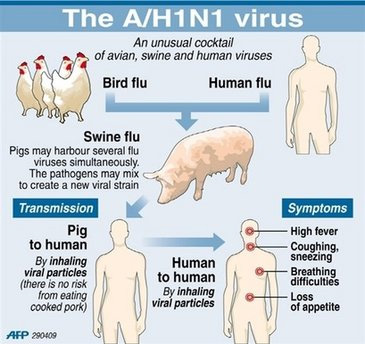
What is H1N1?
How does Influenza A (H1N1-2009) spread from human to human?
Influenza A (H1N1-2009) spreads from human to human in the same way as seasonal flu. Flu can be spread when an infected person coughs, sneezes or speaks. The flu viruses are transmitted into the air through droplets that can be inhaled by other people. When these viruses enter the nose, throat, or lungs of a person, they begin to multiply, causing symptoms of the flu. The viruses can also be spread indirectly when a person touches a surface with flu viruses on it (e.g. a door knob) and then touches his/her nose or mouth.
What are the symptoms of Influenza A (H1N1-2009)?
The symptoms of Influenza A (H1N1-2009) are similar to that of seasonal influenza. Symptoms include fever, sore throat, cough, body aches, runny nose, headaches and tiredness.
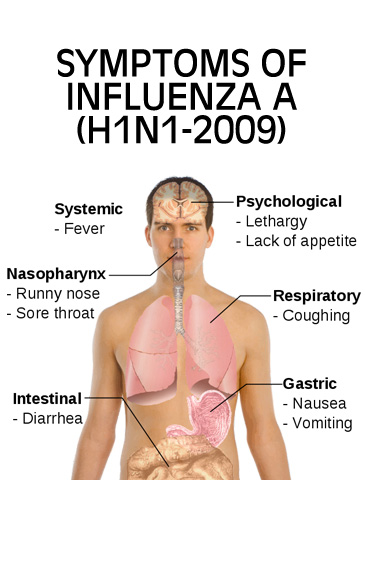
How serious is the Influenza A (H1N1-2009) infection?
Most cases of Influenza A (H1N1-2009) infection are mild and self-limiting. However, severe illness and death have been reported in a small proportion of cases (in particular those with other underlying medical conditions). A higher proportion of young adults are also affected compared to seasonal flu.
What medications are available to treat Influenza A (H1N1-2009) infection?
Oseltamivir (Tamiflu) or Zanamivir (Relenza) are anti-viral drugs that can be used to treat Influenza A (H1N1-2009) infection. In most cases, laboratory testing to confirm Influenza A (H1N1-2009) infection is not needed before starting treatment. Doctors will exercise clinical judgment in prescribing anti-viral drugs on a case-by-case basis taking into account patients’ risk of developing influenza-related complications, prevalence of infection in the community and the risks and benefits of treatment. As with any other medication, there are potential side-effects related to the use of Tamiflu. Consult your doctor early if you are feeling unwell and do not self-medicate.
Who are at risk of developing complications from Influenza A (H1N1-2009)?
- Children below 5 years of age
- Pregnant women
- Patients undergoing cancer treatment
- Patients on immunosuppressants
- Patients on long-term aspirin therapy
- Patients on dialysis
- Anybody who has underlying medical conditions such as asthma, chronic lung disease, diabetes, heart disease or kidney disease
- Persons aged 65 years and older
.

Related posts:
- Vaccination And Protection Against Influenza A (H1N1-2009)
- H1N1 Swine Flu Vaccination Profile Email Embeds Computer Viruses
- Five Simple Measures To Defend Against H1N1
- H1N1 Flu Vaccine May Be Coming Nearer To Us Soon
- The Purpose of Baby Wet Wipes
 Author's Bio:
ShopBug.com is a Singapore registered online webstore that sells baby products and ladies fashion. We are a commercial entity but we write posts that remain as neutral as possible, and in the event when we recommend products from our webstore, we'll try to list them separately to keep you aware. We will not be bias in our story just to sell you any products and all posts written by us are as genuine as it can be.